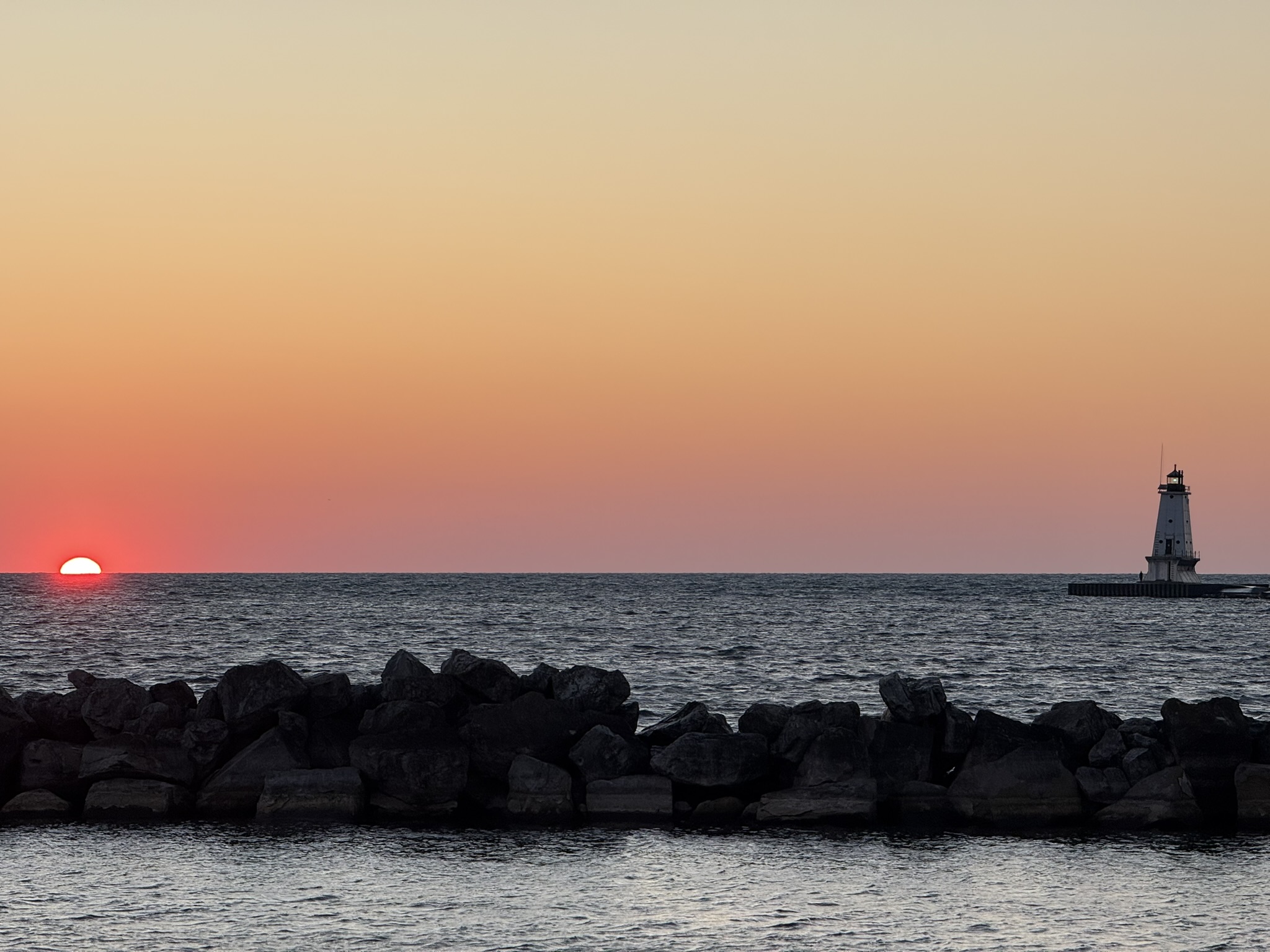
The tired cliche of “I’m moving to a cabin in the woods,” doesn’t apply for most people and isn’t a great career-boosting move for most people. If your job requires a lot of political rigamarole, interpersonal interaction, or you need to be around a lot of top-tier people in niche industries, moving to a small town isn’t going to work for you.
But here’s the thing. A lot of people live in a small town. Somewhere around 30-40% of the country lives in a place with fewer than 100,000 people. The majority of Americans live in a larger urban area or suburb, which I’m lumping into the “larger urban area” bit. But the reality is America’s overall economy runs off its cities. And, yes, those people run off the food generated by the rural areas, but in the overall economy cities are growth drivers.
There is a richness to living in a small town. Seeing people around town a lot has a certain friendliness to it. But you can get the same thing in urban neighborhoods. I knew more of my neighbors when we lived in Irvington on the east side of Indianapolis than I do here in Ludington simply because we had more neighbors to know.
Few professionals can get away with “career success” in a small town. You’d need to be a remote worker and an established player in your field or industry. I wouldn’t recommend someone flee to a small town to start writing their first book, since publishers and connections to actually sell that book are easier found in larger cities.
Likewise, people just starting out in life — like 20 and maybe even 30-somethings with less established career capital risk never building any at all.
I’d argue, too, there is no more or less focus or concentration in a small town than in a big city. This may have been true prior to about 2000, but plenty of distractions and issues arise no matter where you live. Cell phone coverage and Internet have blanketed just about everywhere except the most remote, harshest landscapes. Unless you’re thinking of becoming a hermit and living entirely off the land (which is far more work and life-threatening than you probably imagine), there’s not much value there, either.
Where there is value is in Jefferson’s pursuit of happiness. For some, the lack of traffic and noise is the benefit. I almost never hear sirens anymore, whereas they were once a constant din in the background that no noise-cancelling headphones could resolve. Access to fresh air and fresh water, outdoor recreation, and an easier time establishing a ‘sense of place’ are genuine big benefits.
So for certain kinds of professions — mostly online, knowledge or creative class work — there’s some real benefit to that.
Still, depending on how rural you get, some things will become riskier in your way of life. Water and sewage don’t magically disappear into or come from a municipal system. Utilities are slower to upgrade. Power outages are longer and more common. And towns are more at-risk of losing things you might like if and when “the one coffee shop I like closes.”
Things like libraries, which are generally ubiquitous in the U.S., don’t have the same level of service and selection you might expect. Most small-town libraries seem geared to moms and kids. I’m glad Ludington has a library, but I’ve not checked out a single book there despite having a library card. Simply because there are no books I want to read available there. I’m not interested in romance smut, checking out games, DVDs, or children’s books of which abound due to libraries seeking to serve their mass-market audience.
This post serves little point to almost no one. We made the move mostly for a sense of adventure and change, but we don’t have kids and we both work remotely in relatively well-established mid-career industries. I do not regret the decision. But for someone considering a change thinking it’ll somehow give them more time, boost their productivity or creativity, or otherwise improve their financial prospects that seems like a stretch in nearly any small town. And for people who work in the top of their field, there’s immense value being around other top-tier professionals and capital. Even Walden left Walden Pond after a couple of years. Arguably, a well-timed sabbatical could have the same result.